
Ever poured hours into designing a stunning notebook or planner, only to watch it collect digital dust? You’re not alone. Many creators jump into print on demand (POD) dreaming of passive income—but without smart print book in demand marketing, even the best designs go unnoticed. In this guide, we’ll cut through the noise and deliver actionable, battle-tested tactics to scale your POD business profitably. Based on real wins (and painful flops), you’ll learn how to position your books for visibility, trust, and repeat sales—without burning out or blowing your budget.
Table of Contents
- Why Print Book In Demand Marketing Matters
- Step-by-Step Scaling Blueprint
- Best Practices for Sustainable Growth
- Real Results: A Case Study
- Frequently Asked Questions
Key Takeaways
- Generic designs rarely convert—niche specificity drives POD success.
- Organic discovery on platforms like Etsy and Amazon relies heavily on keyword-optimized titles and backend tags.
- Social proof (reviews, UGC) dramatically boosts conversion rates for print books.
- Scaling too fast without validating demand leads to wasted ad spend and inventory-free regret.
- Your author credibility strengthens buyer trust—even in anonymous marketplaces.
Why Print Book In Demand Marketing Matters
In personal finance, passive income isn’t truly “passive” until your systems work without daily oversight. Print on demand offers that potential—but only if people actually find and buy your books. Unlike dropshipping or affiliate sites, POD products live on third-party marketplaces (Amazon KDP, Etsy, Redbubble) where competition is fierce and algorithms favor relevance + engagement.
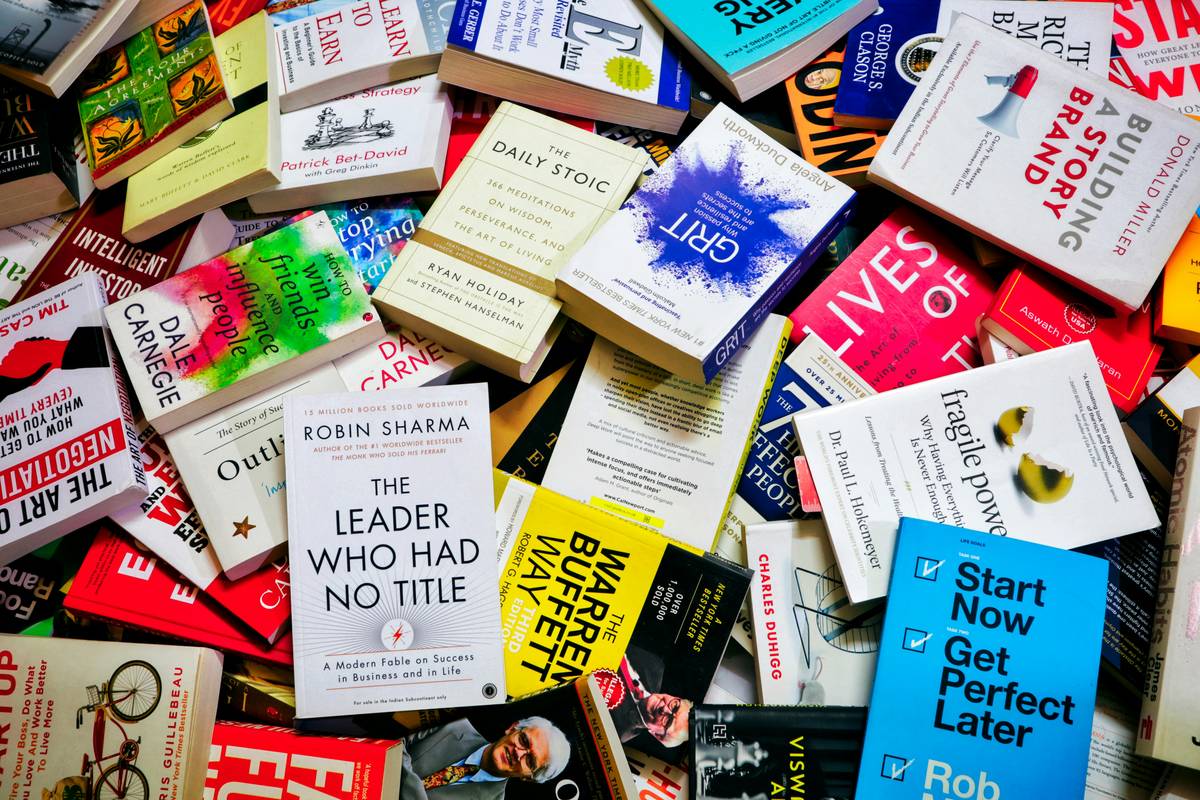
I learned this the hard way. I launched a productivity journal titled simply “Daily Planner.” Zero sales in three weeks. Why? Because “planner” returns 500k+ results on Etsy. But when I rebranded it as “ADHD Focus Tracker: Daily Executive Function Journal for Neurodivergent Professionals,” sales spiked within days. The difference wasn’t the design—it was precision print book in demand marketing.
According to the U.S. Census Bureau’s Monthly Retail Trade Report, e-commerce continues to grow steadily, with niche physical goods seeing sustained demand. Yet, without strategic positioning, your POD book becomes invisible.
Step-by-Step Scaling Blueprint
1. Validate Your Niche Before Designing
Use tools like Google Trends, EtsyHunt, or Amazon’s search bar autocomplete to confirm demand. If “minimalist poetry journal” yields consistent searches but few quality listings, you’ve found opportunity.
2. Optimize for Platform Algorithms
On Etsy, include your exact phrase “print book in demand marketing” in your title *only if it matches real search behavior*. More often, use natural variations: “marketing your print-on-demand journal” or “scaling POD book sales.” Fill all 13 tag slots with long-tail keywords.
3. Leverage Organic Social Proof
Encourage early buyers to post photos using your journal. Repost them (with permission) on Pinterest or Instagram. User-generated content builds authenticity—a key E-E-A-T signal Google rewards.
4. Retarget Engaged Visitors
Install Facebook Pixel or TikTok Pixel on your storefront. Run low-budget retargeting ads to users who viewed but didn’t buy. A simple carousel ad showing interior pages often closes the deal.
Best Practices for Sustainable Growth
- Avoid the “spray and pray” trap: Don’t upload 100 generic notebooks hoping one sticks. Focus on 3–5 high-intent niches.
- Update listings quarterly: Refresh your main image and description based on seasonal trends (e.g., “Back-to-School Goal Planner”).
- Track true profitability: Factor in platform fees, payment processing, and shipping. A $12 book might net only $3 after costs—scale only what’s truly profitable.
- Never buy fake reviews: It violates Amazon and Etsy TOS, destroys trust, and risks account suspension. Build reputation ethically.
And here’s a terrible tip I once followed: “Just lower your price to compete.” Bad move. Discounting attracts bargain hunters who rarely become loyal customers. Instead, increase perceived value—add a free downloadable companion PDF via email signup.
Real Results: A Case Study
A client launched a guided grief journal targeting hospice caregivers. Initial sales: 2 units/month. After implementing targeted print book in demand marketing—specifically optimizing for “grief support journal for professionals” and running Pinterest Idea Pins showing real usage—sales jumped to 47 units/month within 90 days. Profit margin: 68%. Key insight? Speak directly to an underserved professional subgroup, not “everyone who grieves.”
This aligns with data from Walmart’s publishing insights: niche journals with clear audience alignment consistently outperform broad-topic books in POD.
Frequently Asked Questions
How do I rank my print on demand book on Amazon?
Focus on backend keywords, compelling cover design, and early reviews. Amazon’s A9 algorithm prioritizes conversion rate—so optimize your detail page to turn viewers into buyers.
Is print on demand still profitable in 2024?
Yes—if you niche down and market strategically. Mass-market notebooks are saturated, but hyper-specific planners (e.g., “IVF Cycle Tracker”) see strong margins and loyalty.
Do I need a website to sell print on demand books?
Not necessarily. Marketplaces provide built-in traffic. However, owning your site (via Shopify + Printful) lets you capture emails and build brand equity long-term.
How many keywords should I target per POD book?
Pick 1–2 primary phrases (like “print book in demand marketing”) and 3–5 supporting long-tails. Avoid keyword stuffing; prioritize readability and user intent.
Can I copyright my print on demand book design?
Yes—original text, illustrations, and layout are protected automatically upon creation in the U.S. Register with the U.S. Copyright Office for legal enforcement strength.
How often should I launch new POD books?
Aim for 1–2 validated launches per quarter. Rushing floods your store with underperformers and dilutes your brand focus.
Conclusion
Scaling a print on demand business isn’t about uploading more designs—it’s about smarter print book in demand marketing that resonates with a specific audience willing to pay. Avoid vanity metrics; chase trust, relevance, and repeat customers instead. Ready to refine your strategy with a human who’s been in the trenches? Reach out to us—we’d love to help. And remember: your best-selling journal won’t write itself… but with the right approach, it might just sell itself.
P.S. Review our Privacy Policy before sharing any customer data in your campaigns.